Aircraft
How Many People Fit on a Private Jet?
Every type we publish seats somewhere between five and nineteen people, and the honest answer to this question is a range, not a number — because the seat count that matters is not the one on the spec sheet. It is the one that survives your baggage, your route and the fuel the trip needs.
Altessair · August 21, 2026 · 2 min read
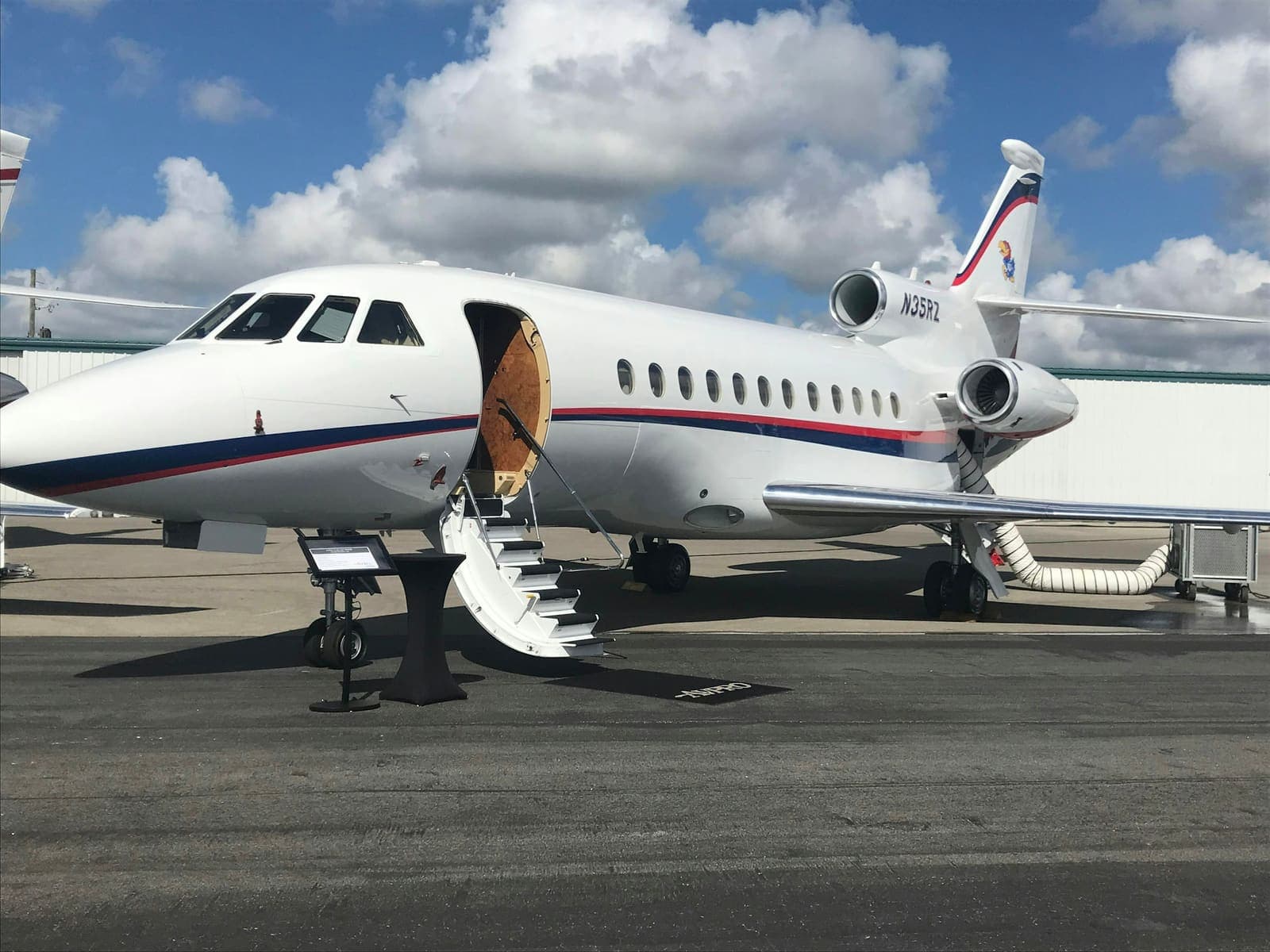
Seats by cabin class
Our catalog spans six cabin classes, and the typical seating runs like this — with the class's indicative hourly range alongside, because seats and price climb together:
- Turboprop — 6 to 9 seats, roughly $1,600–3,000 an hour
- Light jet — 5 to 8 seats, roughly $2,500–4,500 an hour
- Midsize jet — 7 to 9 seats, roughly $3,500–6,000 an hour
- Super-midsize — 8 to 10 seats, roughly $5,000–8,500 an hour
- Heavy jet — 10 to 14 seats, roughly $7,000–13,000 an hour
- Ultra long range — 13 to 19 seats, roughly $12,000–20,000 an hour
The spec-sheet number is a maximum, not a plan
A jet that seats nine may not carry nine people, their bags and the fuel for a long leg all at once — weight is a budget, and everything on board spends from it. Operators configure cabins differently too: the same airframe can be laid out for eight in club seating or ten in a denser fit. That is why our aircraft pages publish seating as a range rather than pretending one number is true of every tail.
The practical rule: size the aircraft to the mission, not to the largest number anyone will print. Four people with ski gear on a mountain approach are a different problem from four people with briefcases on a one-hour hop, even though both parties 'fit' in almost anything.
The nineteen-seat ceiling
Nineteen is the largest seat count in our published catalog, on the biggest ultra-long-range cabins. Between eight and nineteen people, a group usually flies as one aircraft and one arrival time — which is most of the point of chartering as a group at all.
Above nineteen, the honest options change shape: either the party splits across two or more aircraft, or it moves to an airliner. Splitting costs more than people expect, because charter cost scales with the aircraft rather than the passengers — two tails means two crews, two positioning legs and two sets of handling, whether or not every seat is filled. Somewhere past thirty people, a single airliner usually beats a fleet of business jets on both money and logistics.
What to tell your broker
Give the real headcount, the real baggage and the real route, and let the aircraft follow. A party of six can be quoted on a light jet that fits them snugly or a super-midsize that fits them well, and the difference is a judgment about legs, luggage and budget — not a lookup in a seat table. That judgment is the part worth paying a broker for.